
6% - 8%
Estimated gross yield from short-term tourist rental per year
0%
Property tax on tourist-zone properties for the first 10 years
Investing in Boa Vista
Everything you need to know
Boa Vista island has established itself as one of the most attractive real estate investment destinations in West Africa. A young market, a legal framework that is friendly to non-residents, real tax exemptions, and steadily growing tourism demand make this island a concrete opportunity — not just a promise.
Why Boa Vista?
Cape Verde has enjoyed political and democratic stability for over 30 years, with a legal system based on the Portuguese model and effective protection of private property rights — including for foreign nationals. Boa Vista is the archipelago’s main sun-and-beach tourism hub, with an international airport receiving direct flights from Portugal, the UK, Germany, Italy, and the Netherlands.
The local property market still offers prices significantly below those found in comparable Mediterranean or Canary Island destinations, with strong appreciation potential as infrastructure and tourism demand continue to grow.
Stable currency
the Cape Verdean Escudo (CVE) has been pegged to the Euro since 1998, eliminating currency risk for European investors.
Full ownership
foreigners can purchase properties with a full title deed in their own name, with no mandatory local intermediaries.
Free capital repatriation
rental income and sale proceeds can be freely transferred abroad.
Tourism growth
Boa Vista welcomed over 300,000 tourists in 2023, with consistent year-on-year growth.
Expanding infrastructure
new hotels, marinas, and road improvements in development further support land value appreciation.
Property tax exemption (IUP)
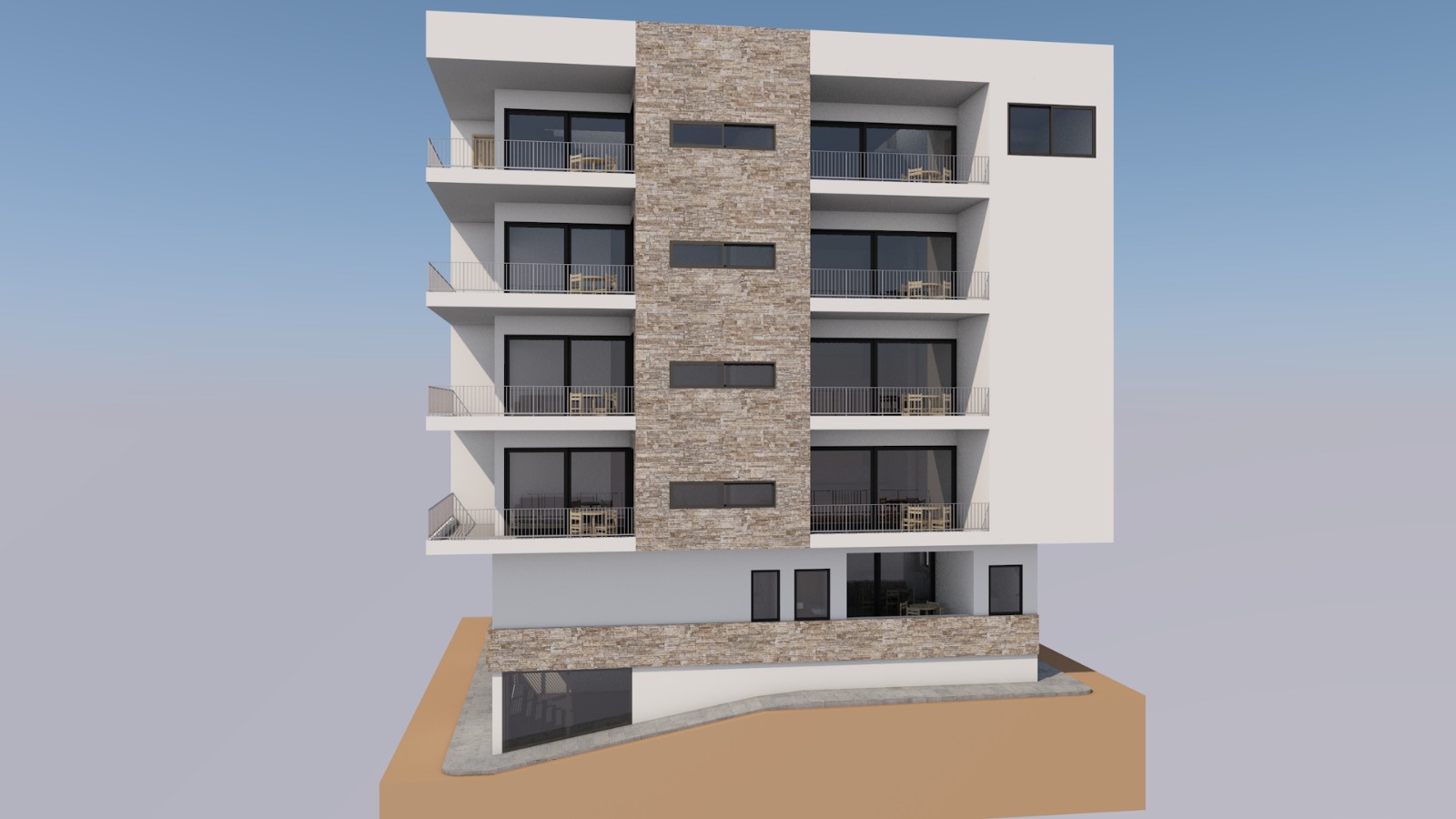
equivalent to the Portuguese IMI — for the first 10 years on properties within registered tourist developments such as Beach Living.
Reduced income tax rate (IUR)
on tourist rental income, lower than standard rates.
Customs duty exemptions
on equipment and materials imported for government-approved tourist projects.
Tax benefits for buyers
Cape Verde offers a particularly attractive tax framework for investment in tourist properties, supported by the government’s tourism incentive programme. Always consult a local lawyer to confirm the exact conditions applicable to your situation.
Cape Verde also has a double taxation agreement with Portugal, which simplifies tax management for Portuguese and Portuguese-heritage investors.

How the Purchase Process Works
The process is straightforward and can largely be conducted remotely. Physical presence in Cape Verde is not required to sign the deed — it can be handled by power of attorney
- Reservation and promissory purchase agreement
Secure the unit with an agreed initial deposit (typically 10–20% of the value). The contract is written in Portuguese and must be authenticated by a local lawyer registered with the Cape Verde Bar Association.
- Cape Verde tax number (NIF) and local bank account
All foreign buyers require a Tax Identification Number (NIF) in Cape Verde. Your lawyer or proxy can arrange this remotely. Opening an account with a local bank (e.g. BCA, Caixa Económica) facilitates transfers.
- Due diligence e verificação da titularidade
O seu advogado verifica a matrícula do imóvel na Conservatória do Registo Predial, confirma a ausência de ónus, hipotecas ou penhoras, e valida as licenças de construção e habitabilidade.
- Public deed and registration
The deed is drawn up at a Notary Office in Cape Verde. After signing, the property is registered in your name at the Land Registry. This step confers full legal ownership protection.
- Acquisition costs to budget for
Transfer tax (IMTTV) — equivalent to stamp duty — of 3% on the transaction value; notary and land registry fees (approx. 1–1.5%); legal fees (1–2%). Total estimated additional costs: 5–6% on top of the purchase price.